
You’re Running
HumanOS 1.0.
There Is No Upgrade.
We built technology to eliminate human limitations. Turns out they’re our killer features. A talk about what humans are for, now that machines can do so much of the rest.
We spent decades teaching humans to behave like machines. Now machines do it better. So what are humans for?
The force
you can’t see.
The translator
you need.
In a world this sophisticated, technology is invisible. It curates what we see, automates what we do, and quietly decides what we think about. To most people it might as well be magic.
Technology has turned knowledge, learning, and even connection into a utility, as ordinary as the electricity in the wall. As answers become instantaneous, we have fewer reasons to sit with uncertainty. And that raises a question worth asking: what happens to curiosity when we rarely have to wonder?
Someone once called me a Technology Shaman. I laughed, but the name stuck. They said I had a way of taking technology that seemed like magic to everyone else and making it understandable. Over time I realized that understanding the technology was only half the job. Understanding the people using it was the other half.
Technology Shamanism is the practice of making technology serve human potential. Using it for a purpose, never as a spectacle. And making sure the tools serve the people, not the other way around.
Technology is a tool.
Not the answer, not the product, not alive. Use it simply and sparingly. And whatever you do, don’t become one.
HumanOS 1.0 has no upgrade.
Your phone gets an update every few weeks. Your brain hasn’t had one in tens of thousands of years. And that was never the problem: our limits are our killer features.
The future needs a renaissance.
Progress isn’t measured by what technology can produce. It’s measured by what people choose to create with it. The next revolution belongs to those who pair powerful tools with human curiosity, judgment, and craftsmanship.
Simplicity is the ultimate sophistication.
The best technology doesn’t demand our attention. It gives it back. Remove the unnecessary complexity, focus on what matters, and use the time you reclaim to create something meaningful.
We traded the spark for the feed.
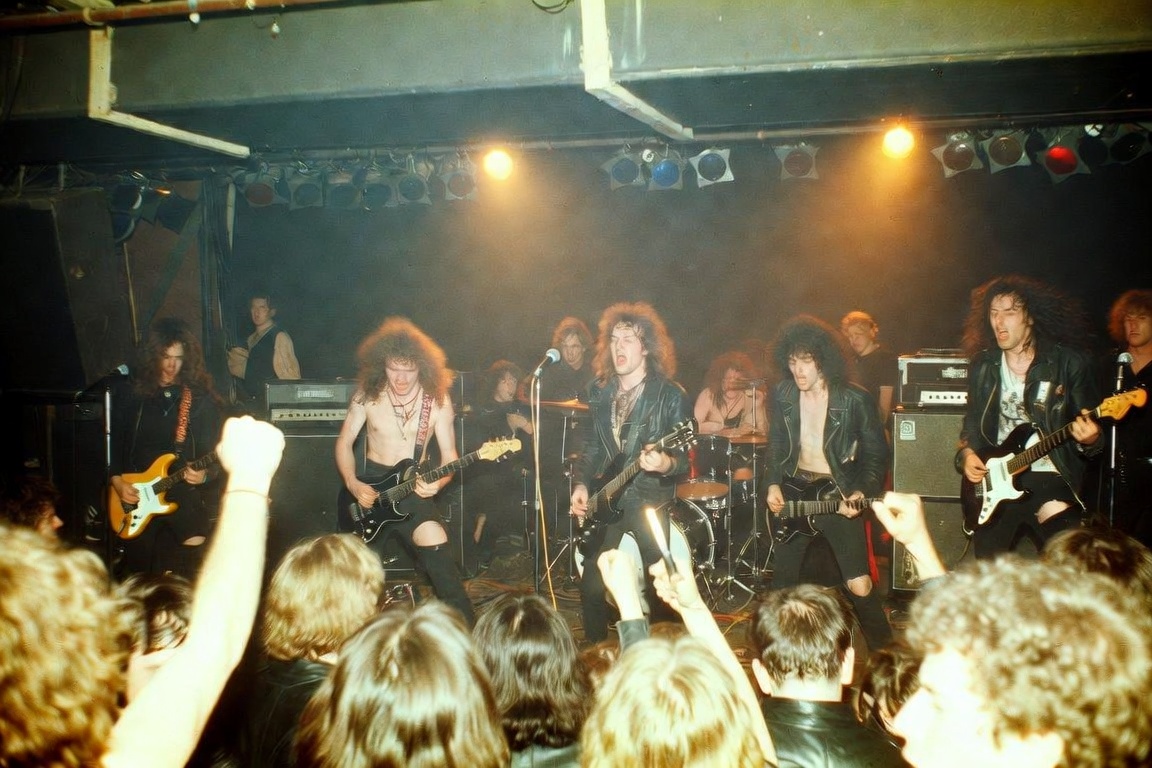
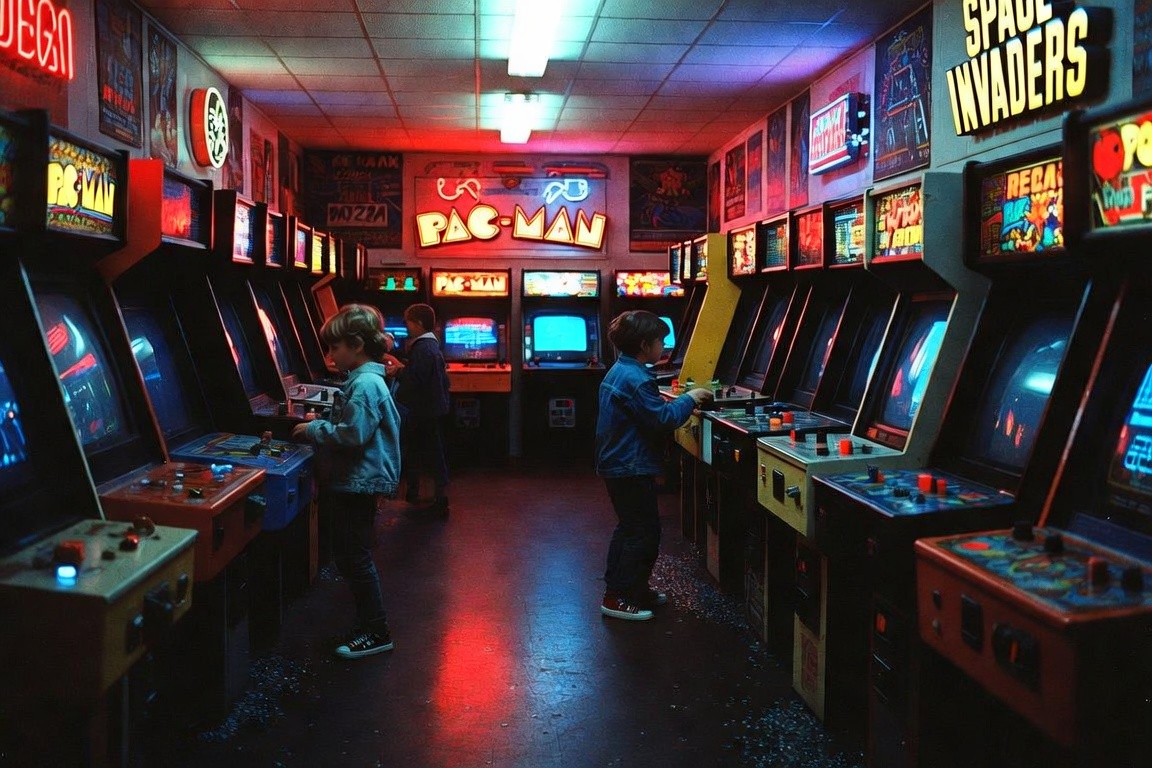
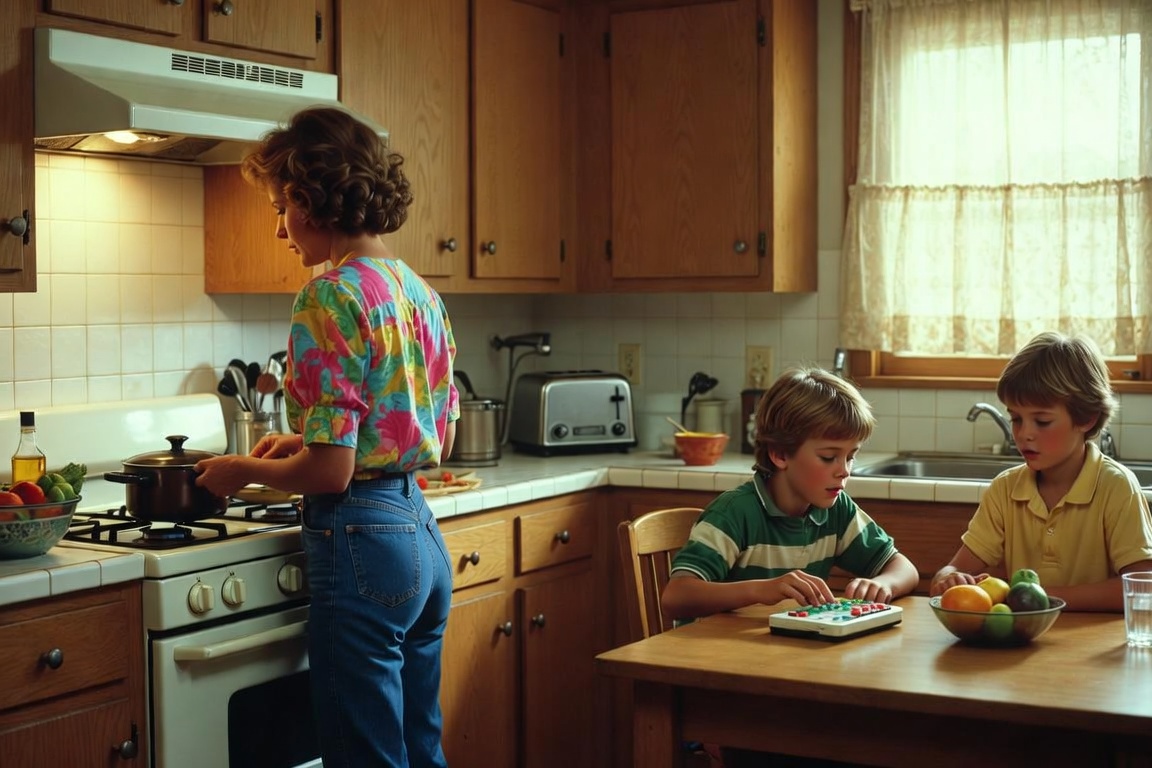
The Analog Spark
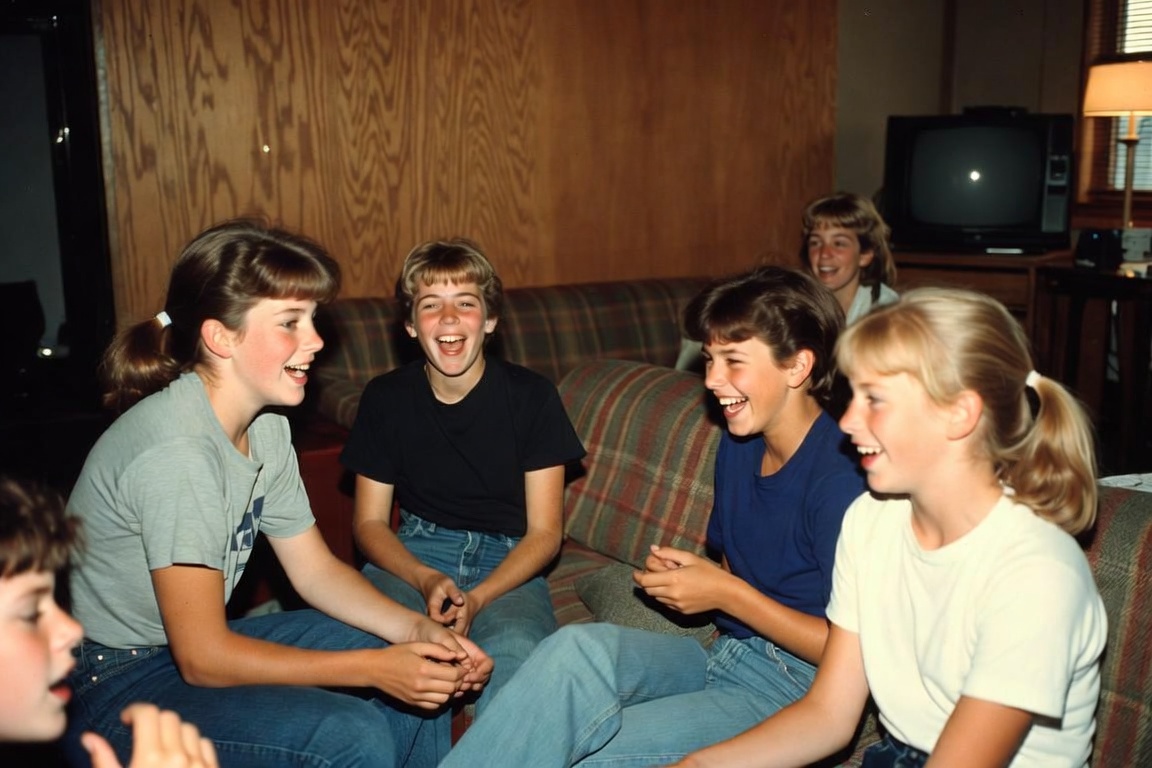
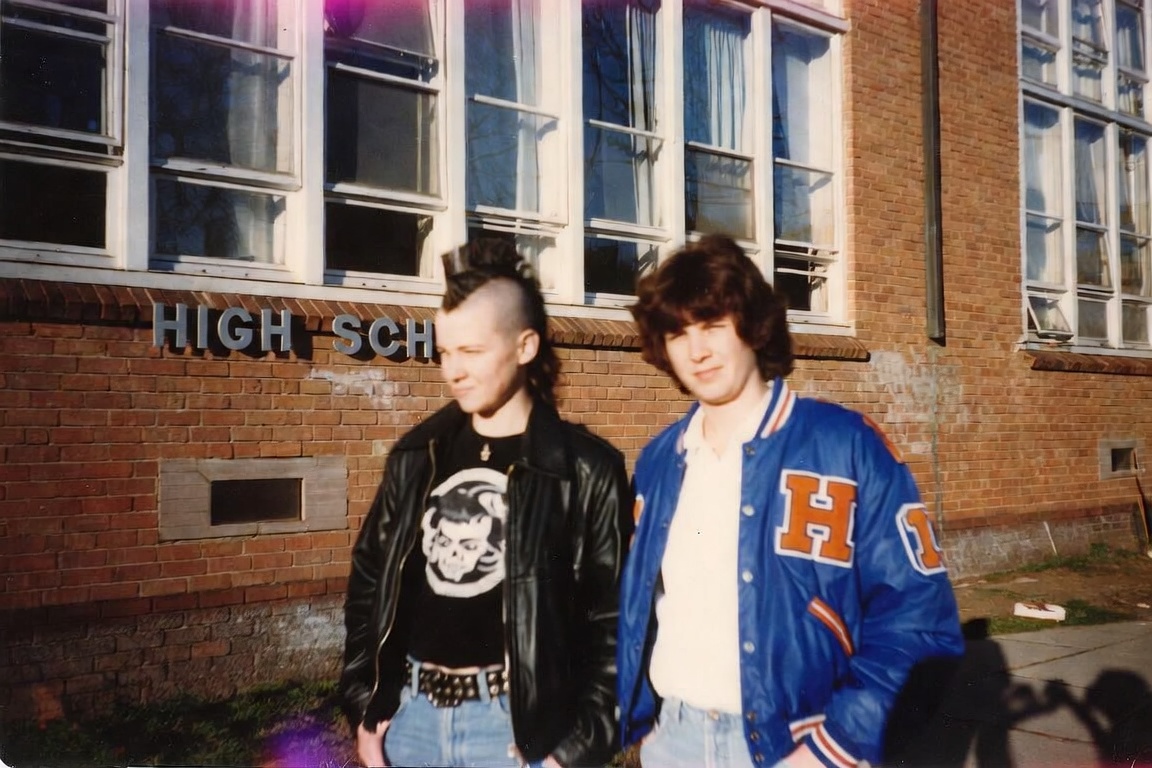
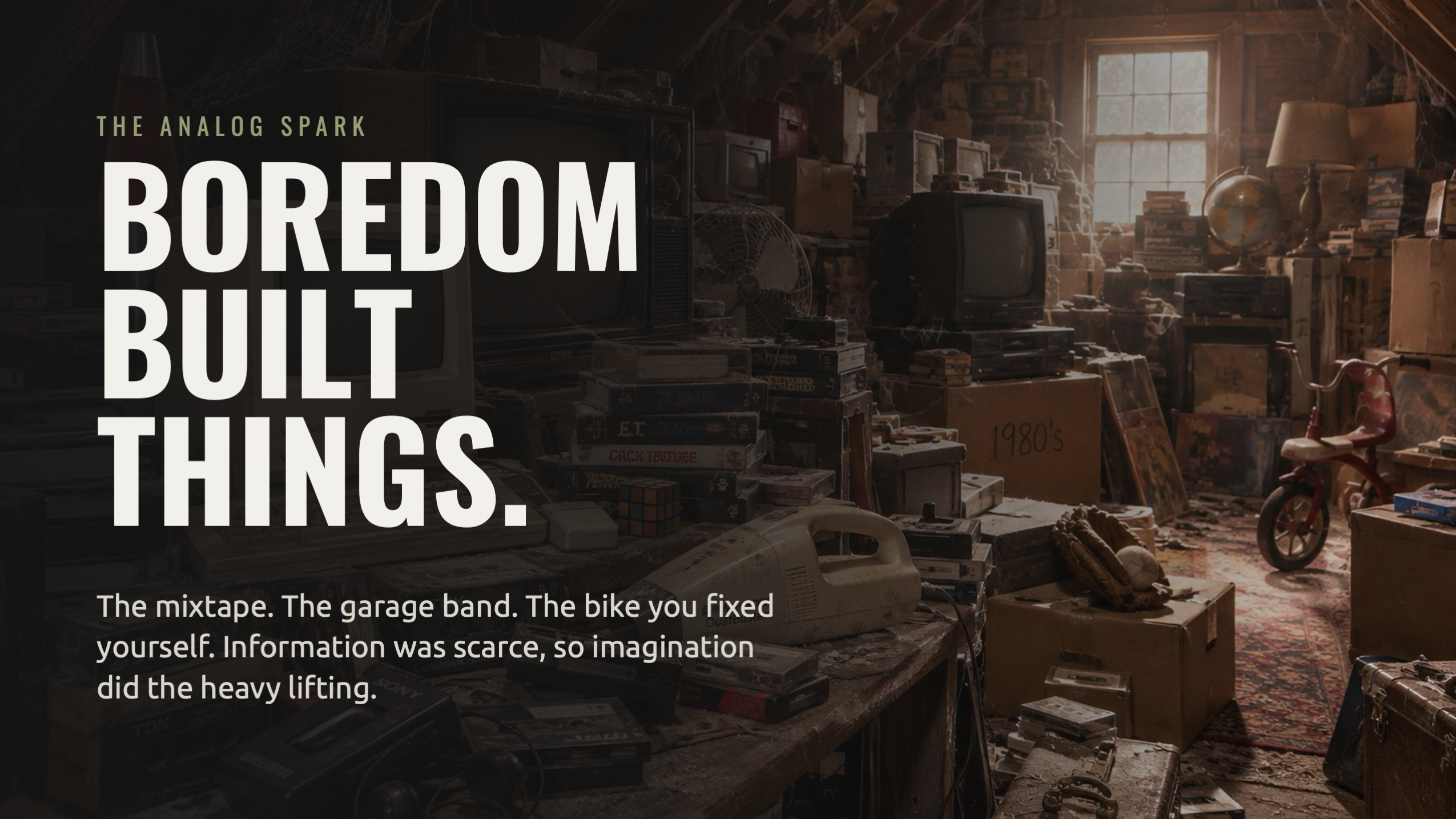
Boredom built things. You made the mixtape, fixed the bike, read the book, called the house and talked to someone’s parents. Information was scarce, so imagination did the heavy lifting. It gave us some of the best music and biggest cultural shifts of the century.
The Connected Feed
Everything got easier and everyone got closer. Then the feed took over. In 1998 we told kids never to get in a stranger’s car. By 2022 we were summoning strangers from the internet for exactly that. Technology didn’t make us careless. It rewired how we trust.
Intelligence on Tap
AI now writes, answers, and decides on demand. Knowledge, learning, and connection are utilities, like the internet and the phone before them. We’re rarely left not knowing for long. The question is what that does to the slow, analog thinking that once made us original.
Machines win at information. They’re catching up on intelligence. Wisdom, knowing which problems are worth solving and why, is where humans lead.
When production is effortless, craftsmanship becomes a choice.
Curiosity.
Wondering what’s worth exploring in the first place.
Creation.
Making things that deserve to exist, not just more things.
Meaning.
Deciding what matters.
Love.
Caring who it’s for.
Sometimes the best technology solution comes from a dumpster.
The greatest innovations don’t always come from having more technology. They come from seeing possibilities others overlook.
I grew up in a working-class family where limitations weren’t an excuse to stop. They were an invitation to figure something out.
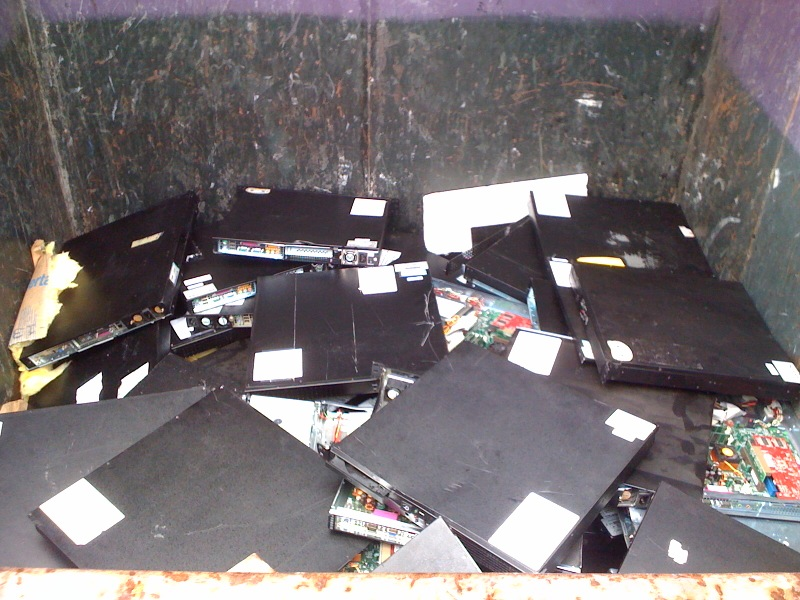
Years later, computers deployed in the field couldn’t reliably run their software. The obvious answer was a multimillion-dollar hardware upgrade. The real answer was sitting in a dumpster.
We salvaged RAM from discarded machines, shipped it into the field, and upgraded the computers for practically nothing. Everything worked.
That moment has stayed with me through 26 years of building technology at scale. Limitations aren’t the enemy of innovation. Very often, they’re where it starts.
HumanOS 1.0: Why the Next
Revolution Is a Renaissance.
What if the biggest threat of AI isn’t that machines become smarter than humans, but that humans forget what makes their intelligence valuable?
For 26 years, Tom Roberto has helped bring technology out of Silicon Valley and into everyday life: retail systems, intelligent infrastructure, nationwide deployments. Now, as AI turns knowledge into an on-demand utility, he’s asking whether all that progress came at the expense of some of our most important human capabilities.
His argument: we spent decades teaching humans to behave like machines. Now that machines do it better, we finally get to rediscover what humans are for. Not a race to keep up with the machine, but a modern renaissance, where technology expands what we can do and curiosity, creation, meaning and love decide what’s worth doing.
The next revolution won’t be about upgrading our technology. It will be about rediscovering our humanity.
- Act I / The problemWe taught humans to act like machines.The 80s sold us multitasking. Then we built a world that runs on it. Now the machines do it better than we ever could.
- Act II / The revelationThere is no upgrade. Good.Our limits were never the bug. Focus, the dead end, and the spark that only lived experience can strike are HumanOS 1.0’s killer features.
- Act III / The renaissanceEffortless production. Deliberate craft.The printing press didn’t decide what the Renaissance made. People did. AI won’t decide what we make next, either. That part is ours.
Allow yourself not to know
Build analog moments into your day. Sit with the question before you search it. Surprise only happens when you don’t already have the answer.
Invite the unaware
Bring someone into the meeting who doesn’t know the backstory. Fresh eyes find the jumps the experts can’t see.
Monotask to make the leap
One thing at a time, followed all the way through. Multitasking robs you of the focus it takes to hit the dead end, and the breakthrough behind it.
Pair every tool with something timeless
A craft, a book, an experiment, a conversation. Use the time technology gives back to make fewer things, better.
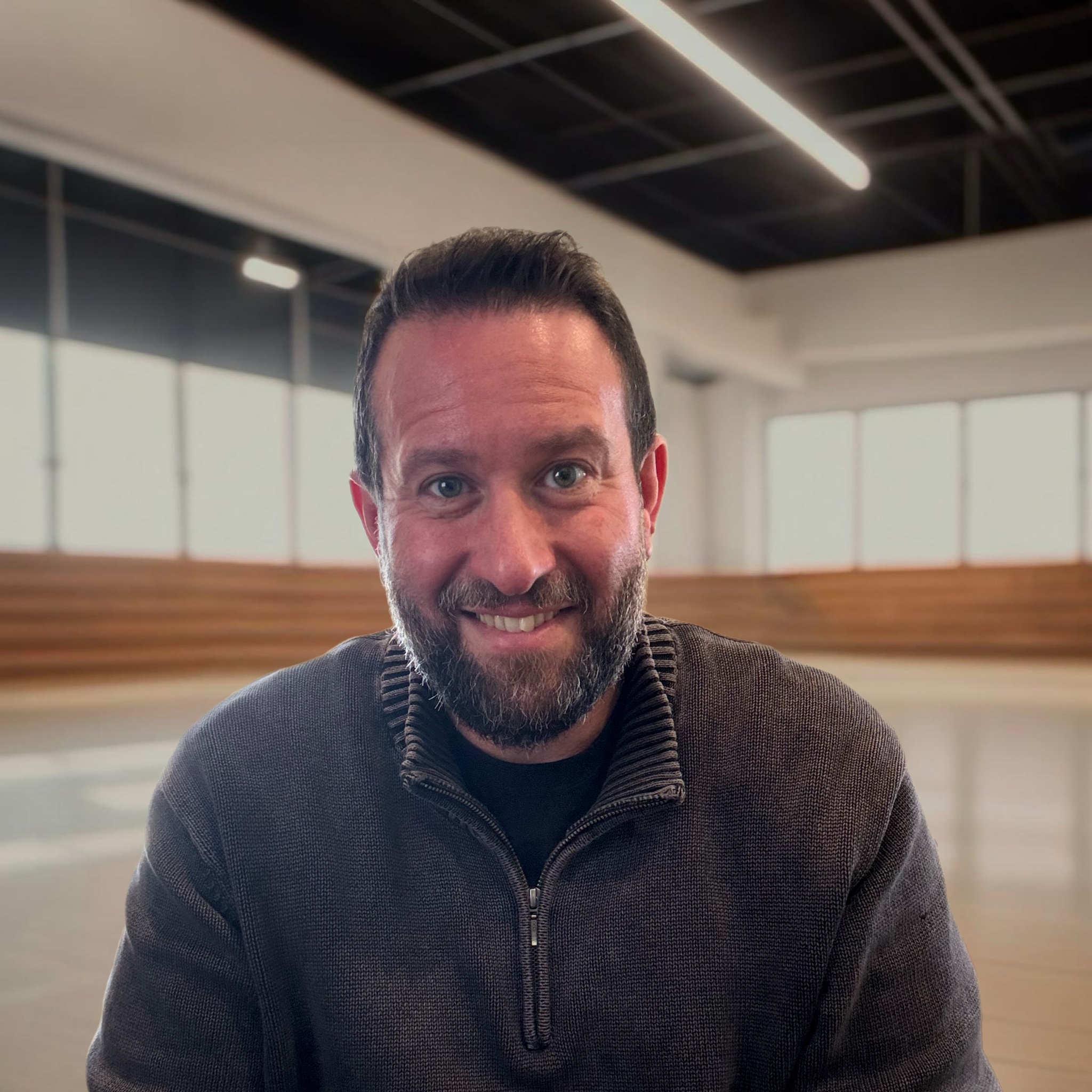
Tom Roberto
Raised in a working-class family in northern New Jersey, in the shadow of New York City, Tom learned early that limitations often inspire more creativity than abundance. A Xennial, old enough to remember life before the internet and young enough to have built what came after it.
For 26 years Tom has helped bring technology out of Silicon Valley and into everyday life: in-store marketing systems, intelligent infrastructure, and the processes to deploy technology at massive scale. Engineer, operator, and executive across three startups that each crossed $50 million. Two business exits, one IPO. Host of the Café Technika podcast and a contributor to the Forbes Technology Council.
Tom has delivered versions of this talk to MBA students at Iona University and to school leaders navigating AI in the classroom. He calls himself a Technology Shaman because it’s the most accurate job description he’s ever had.
Already on the mic.
For organizers & curators
Let’s explore
this idea together.
HumanOS 1.0 explores the relationship between technology, creativity, and human potential. If it fits your event’s theme, I’d welcome the chance to talk it through. Full outline, bio, and headshots available on request.
Technology Shaman® / Where instinct meets execution.